Lease renewal incentives are one of the most cost-effective retention tools an owner has. With turnover as the top challenge in 2026, keeping a good resident is almost always cheaper than replacing one. The right incentives — modest, targeted, and timely — can turn an undecided resident into a renewal without eroding income.
Renewal beats replacement, mathematically
A single turnover costs between $1,750 and $3,872. A modest renewal incentive — waiving a small increase, handling a requested repair, or a small upgrade — usually costs a fraction of that. The math almost always favors retention over re-leasing.
Incentives residents actually value
The best incentives solve a resident's real friction: a requested repair completed before renewal, a small upgrade they asked for, or a manageable increase. Generic perks matter less than showing the resident you listened and acted on their needs.
Renew early, not at the last minute
Offering renewal terms early — before the resident starts looking elsewhere — gives them a reason to stay before they're emotionally checked out. Last-minute renewal offers often arrive after the resident has already decided to move.
Tie incentives to condition and data
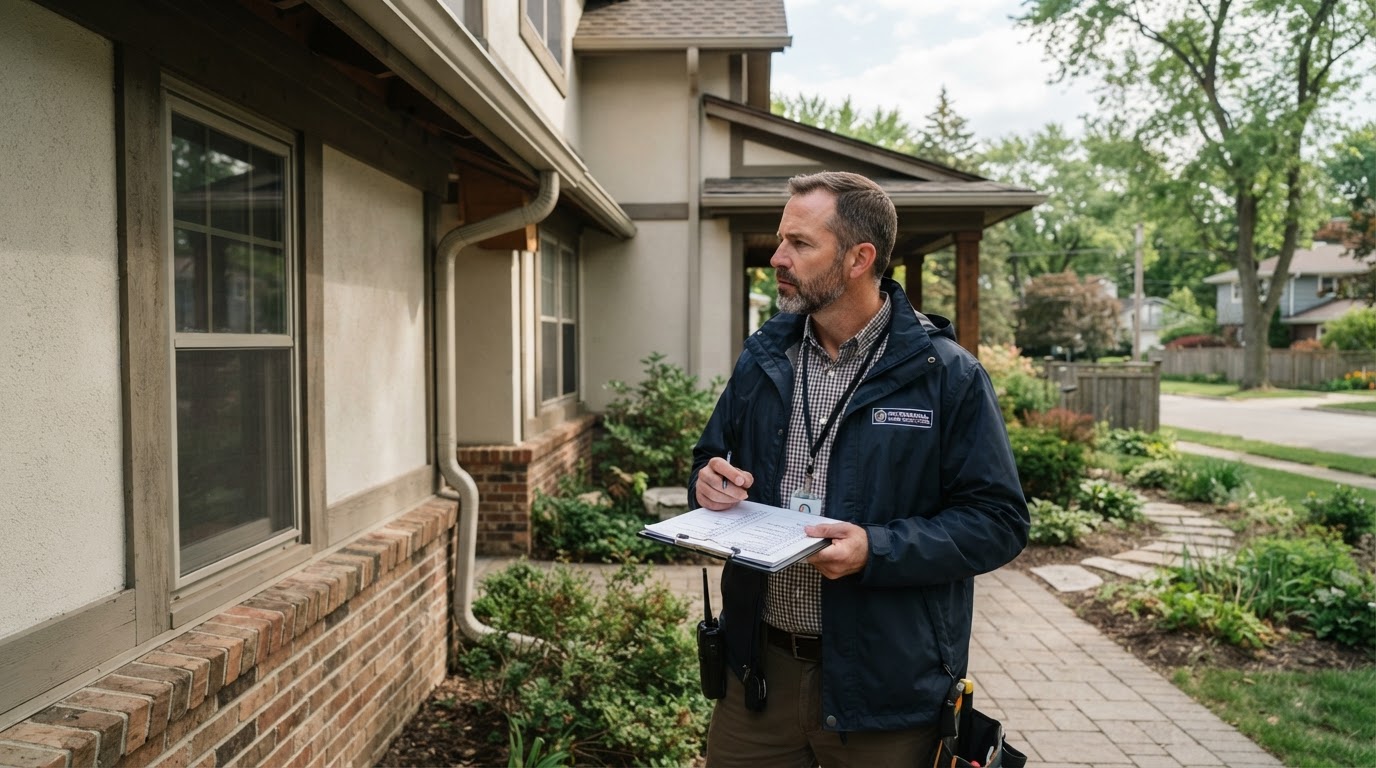
Pair a renewal offer with a quick inspection and fair, data-based rent. Showing the resident the property is well cared for and the increase is reasonable makes the renewal the easy, obvious choice. Condition and fairness sell renewals.
Key takeaway
Renewal incentives are cheaper than turnover and more effective when they solve real resident friction. Vision Management & Maintenance uses fair, data-based renewals and proactive maintenance to keep good residents in place.